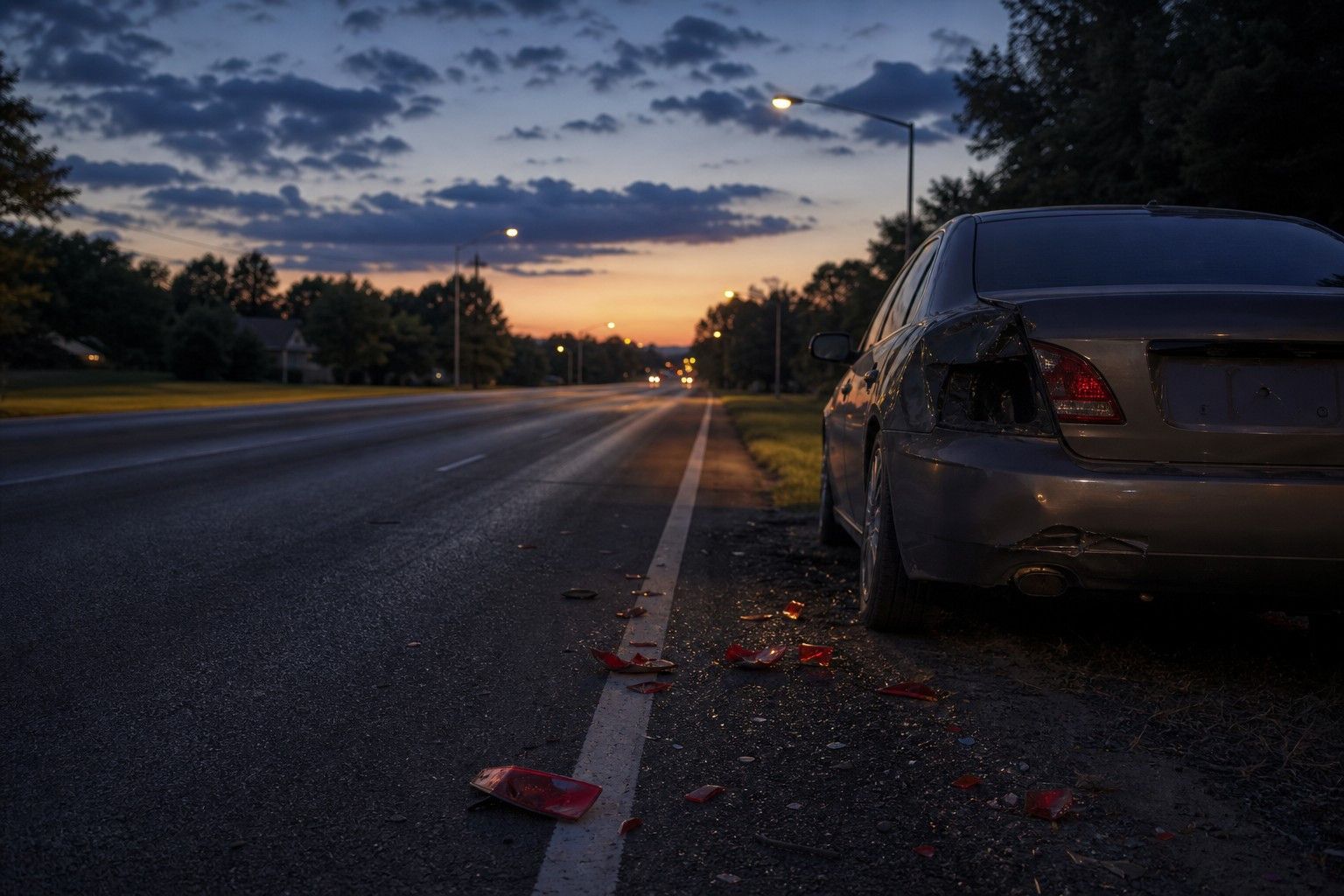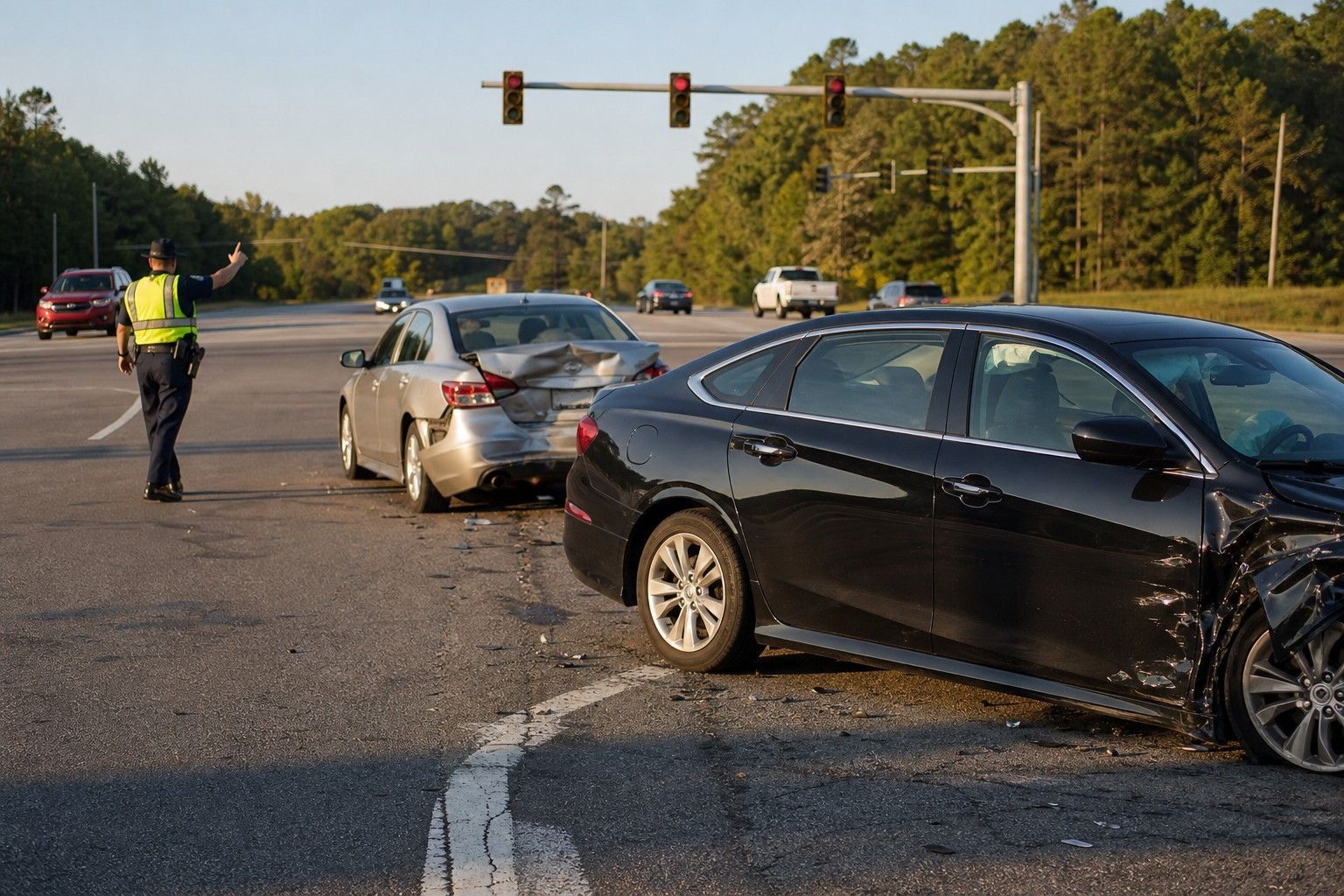
If you were involved in a car accident in Georgia, one of the first questions that comes up is fault. Who caused the crash? But in many cases, the answer is not black and white. Georgia follows a modified comparative fault system that can affect how much compensation you receive - or whether you recover anything at all.
What Is Comparative Fault in Georgia
Georgia follows a modified comparative fault rule under O.C.G.A. 51-12-33. This means that if you share some of the blame for an accident, your compensation is reduced by your percentage of fault. For example, if a jury determines that you suffered $100,000 in damages but were 20% at fault, you would recover $80,000.
The critical threshold in Georgia is 50%. If you are found to be 50% or more at fault for the accident, you cannot recover any damages at all. This makes it extremely important to have an experienced attorney who can build a strong case showing the other party's greater share of responsibility.
How Fault Is Determined After a Car Accident
Several factors go into determining fault percentages in a Georgia car accident case:
- Police reports and officer observations at the scene
- Witness statements from bystanders and passengers
- Traffic camera or dashcam footage
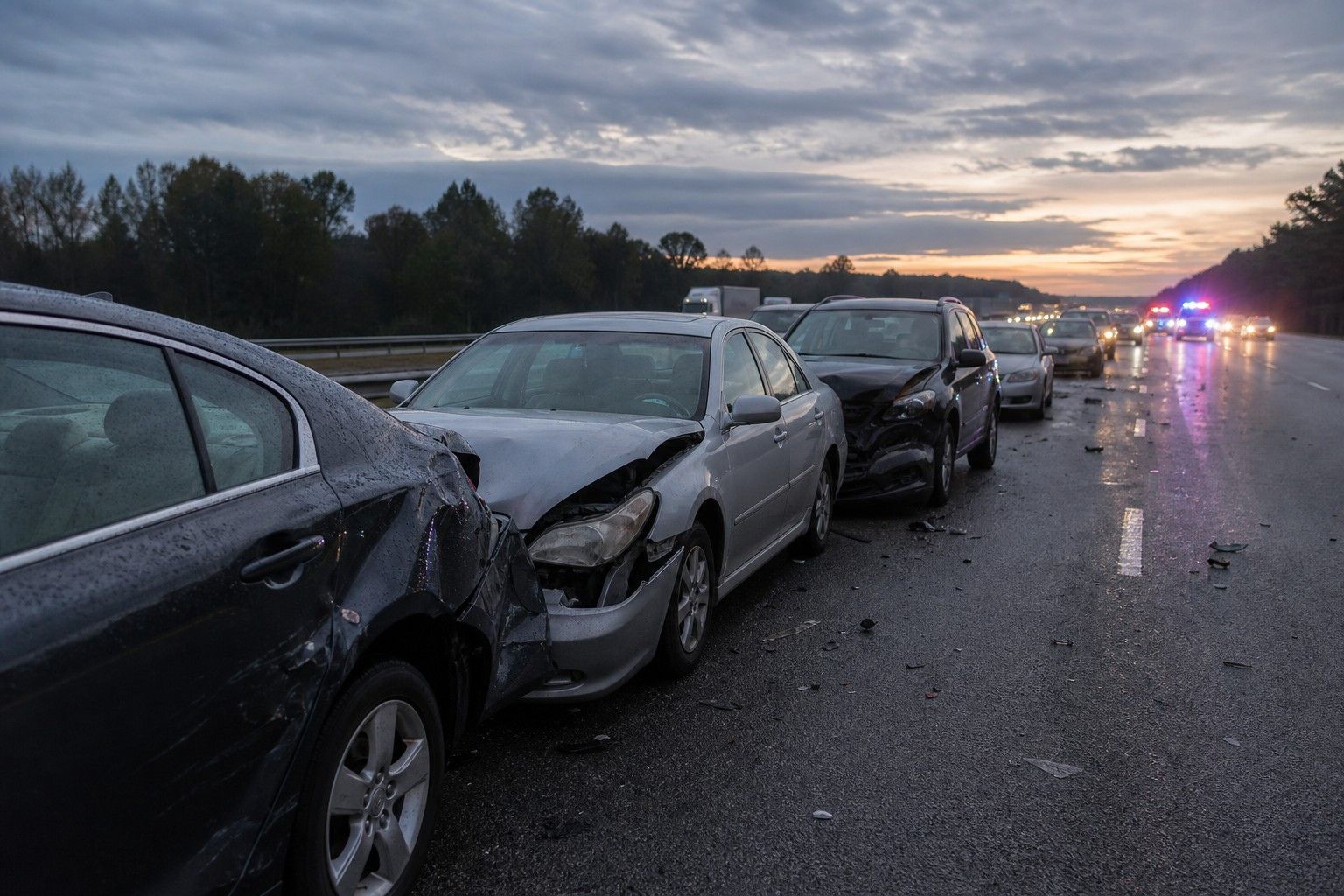
- Physical evidence such as skid marks, vehicle damage, and road conditions
- Expert testimony from accident reconstruction specialists
Insurance companies often try to assign you a larger share of fault to reduce their payouts. They may use your recorded statements or social media posts against you. This is one reason why speaking with an attorney before giving a statement to an insurance adjuster is so important.
Key point: Even if you think you may have been partially at fault for your accident, you may still be entitled to significant compensation. Do not assume your case is lost without consulting a personal injury attorney.
Common Scenarios Where Comparative Fault Applies
Comparative fault comes into play in many types of car accidents in Athens and throughout Georgia:
- Speeding and running a red light: One driver runs a red light, but the other was speeding. Both share some fault.
- Failure to signal and tailgating: A driver changes lanes without signaling, but the other car was following too closely.
- Distracted driving: Both drivers may have been on their phones at the time of the crash.
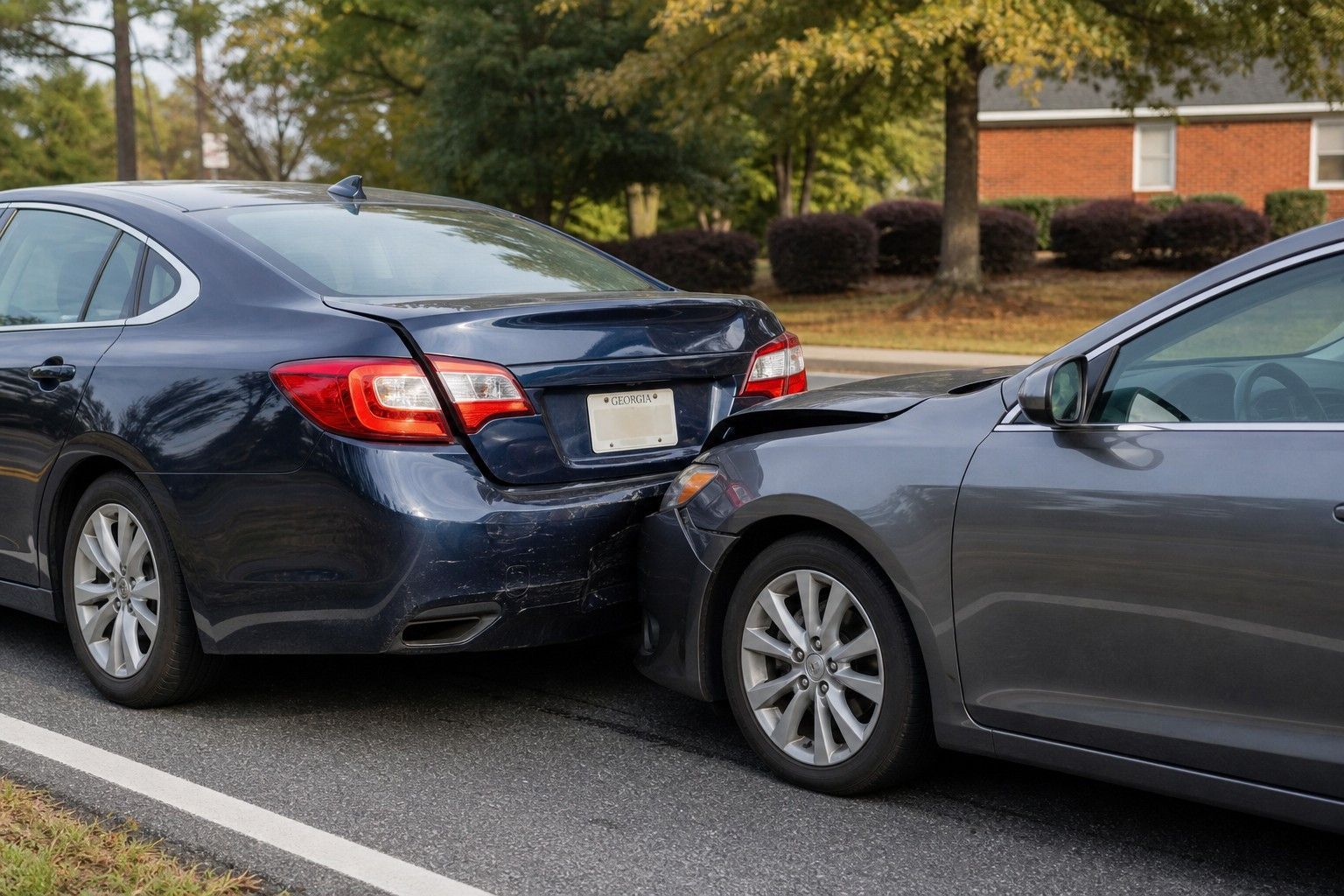
- Parking lot accidents: Unclear right-of-way situations where both drivers could have been more careful.
Protecting Your Rights After an Accident
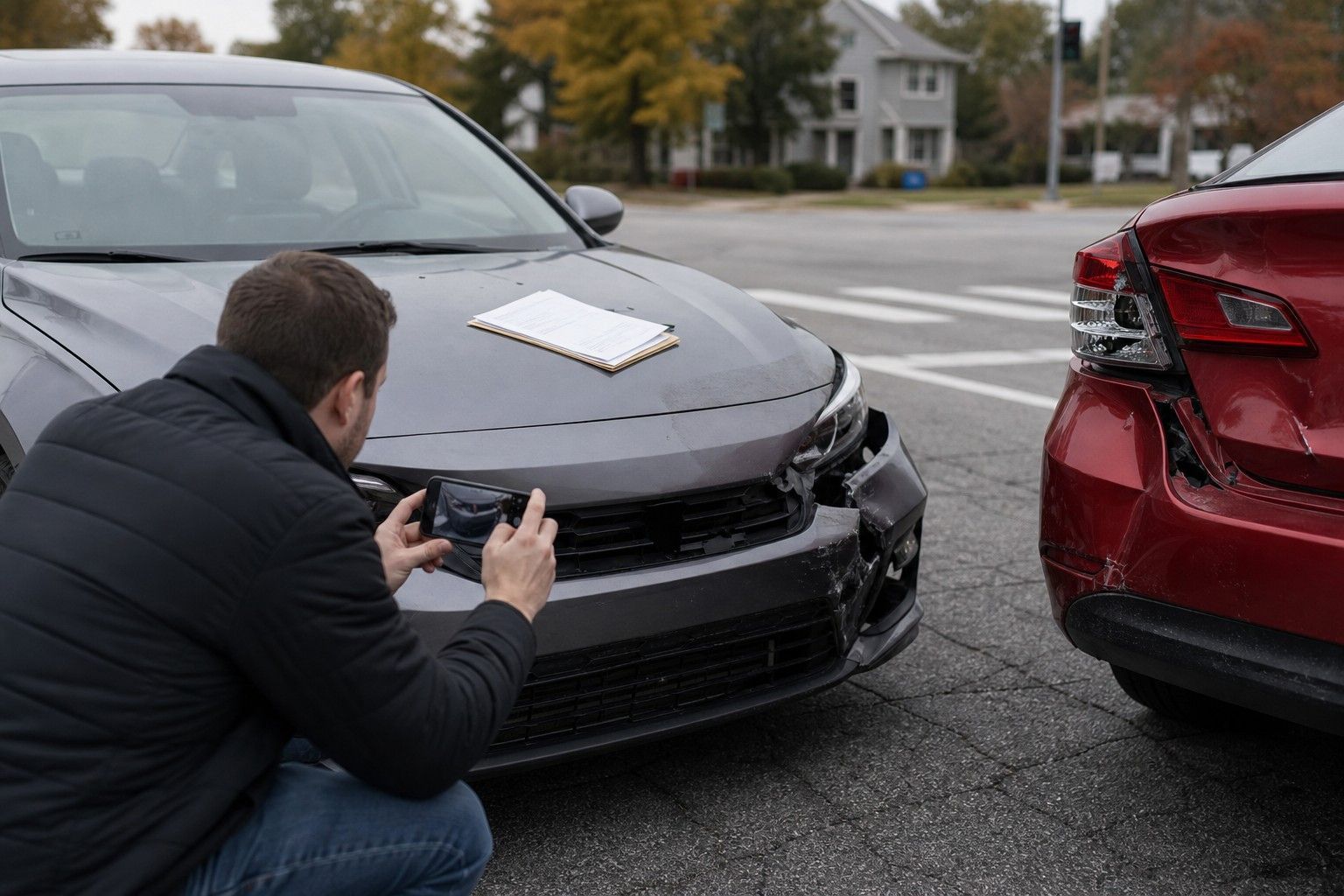
If you have been injured in a car accident in Athens or Northeast Georgia, taking the right steps early can protect your claim. Document everything at the scene, seek medical attention right away, and avoid giving detailed statements to the other driver's insurance company without legal guidance.
At Wells and McElwee, P.C., we understand how comparative fault works in Georgia and how to present the strongest possible case for our clients. We have helped accident victims across the Athens area recover fair compensation even when fault was shared.
| Injured in a car accident and worried about shared fault? Contact Wells and McElwee, P.C. for a free consultation. We will review your case and explain your options. |