Every day, millions of drivers share the road with 18-wheelers without a second thought. But when things go wrong, the consequences are catastrophic. Semi-truck accidents aren't just "bad car crashes"—they're fundamentally different, and far more deadly. Understanding why these collisions are so devastating can help you stay safer on the road—and know your rights if the worst happens.
The Physics of Catastrophe: Size and Weight
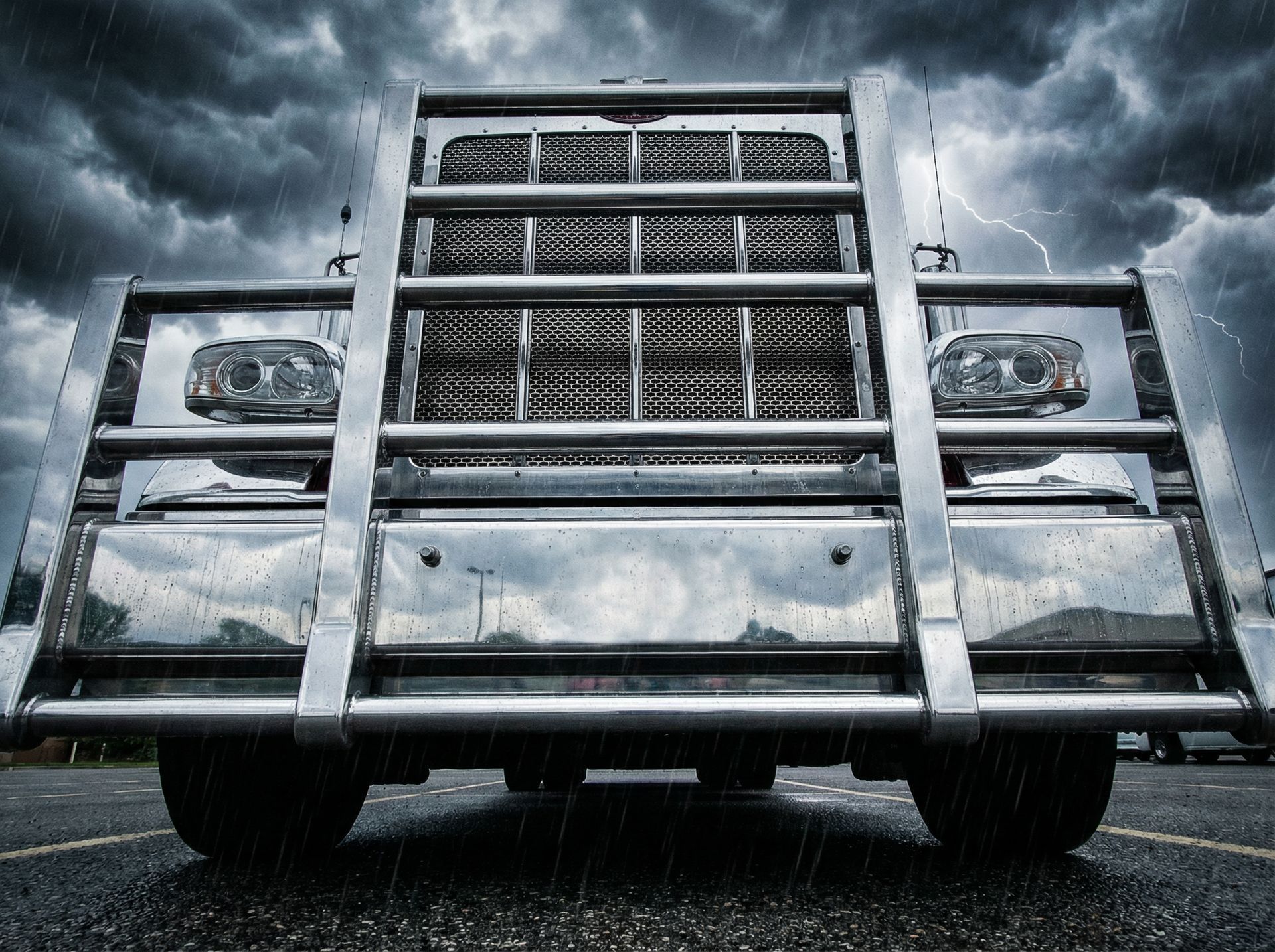
Think of a heavyweight boxer facing off against a featherweight. The outcome is predictable and brutal. The same principle applies when your passenger car meets an 18-wheeler.
20x
heavier than your car
A fully loaded semi-truck weighs up to 80,000 pounds
Your typical passenger vehicle weighs around 4,000 pounds. A fully loaded semi-truck? Up to 80,000 pounds—that's the equivalent of 20 cars crushing down on you in a collision.
The laws of physics are unforgiving. When that much mass meets your vehicle, the force transferred is devastating. Your car's crumple zones and safety features—designed for vehicle-to-vehicle crashes of similar size—are simply overwhelmed.
The Stopping Distance Problem
If you slam on your brakes in your car, you can stop within a reasonable distance. An 18-wheeler? That's a different story entirely.
A loaded semi-truck traveling at highway speeds can require the length of two football fields to come to a complete stop—even under ideal conditions.
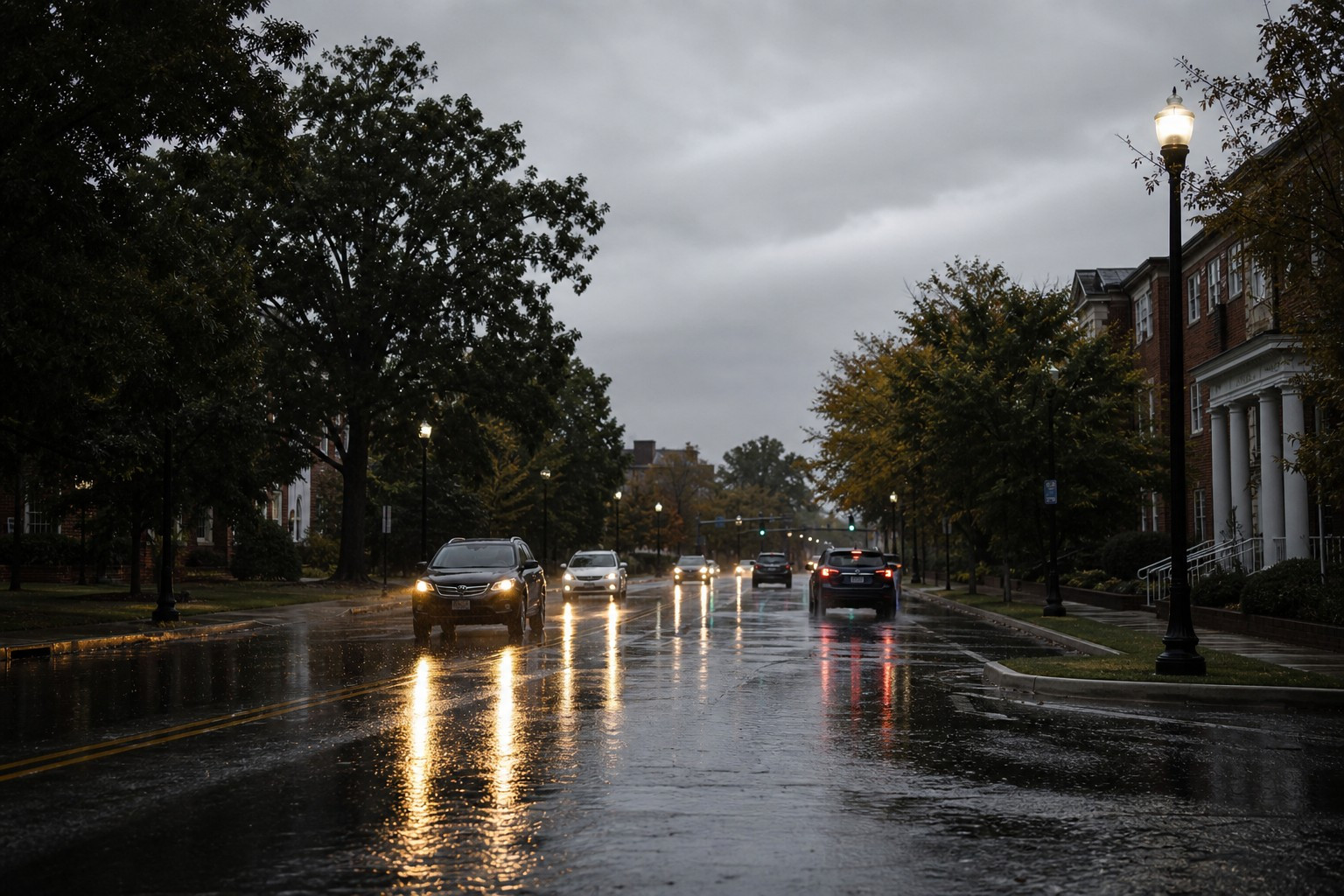
Add worn brakes, wet pavement, or driver fatigue to the equation, and that stopping distance extends even further. This creates nightmare scenarios where truck drivers physically cannot avoid a collision, even when they see danger ahead.
For passenger vehicles nearby, this means you have far less margin for error. A sudden lane change or unexpected stop that might be recoverable around other cars becomes deadly when an 18-wheeler is involved.
Been Injured by a Negligent Truck Driver?
Our team specializes in truck accident cases and has recovered millions for victims. We know how to hold negligent trucking companies accountable.
Get Your Free Case ReviewThe Invisible Danger: Massive Blind Spots
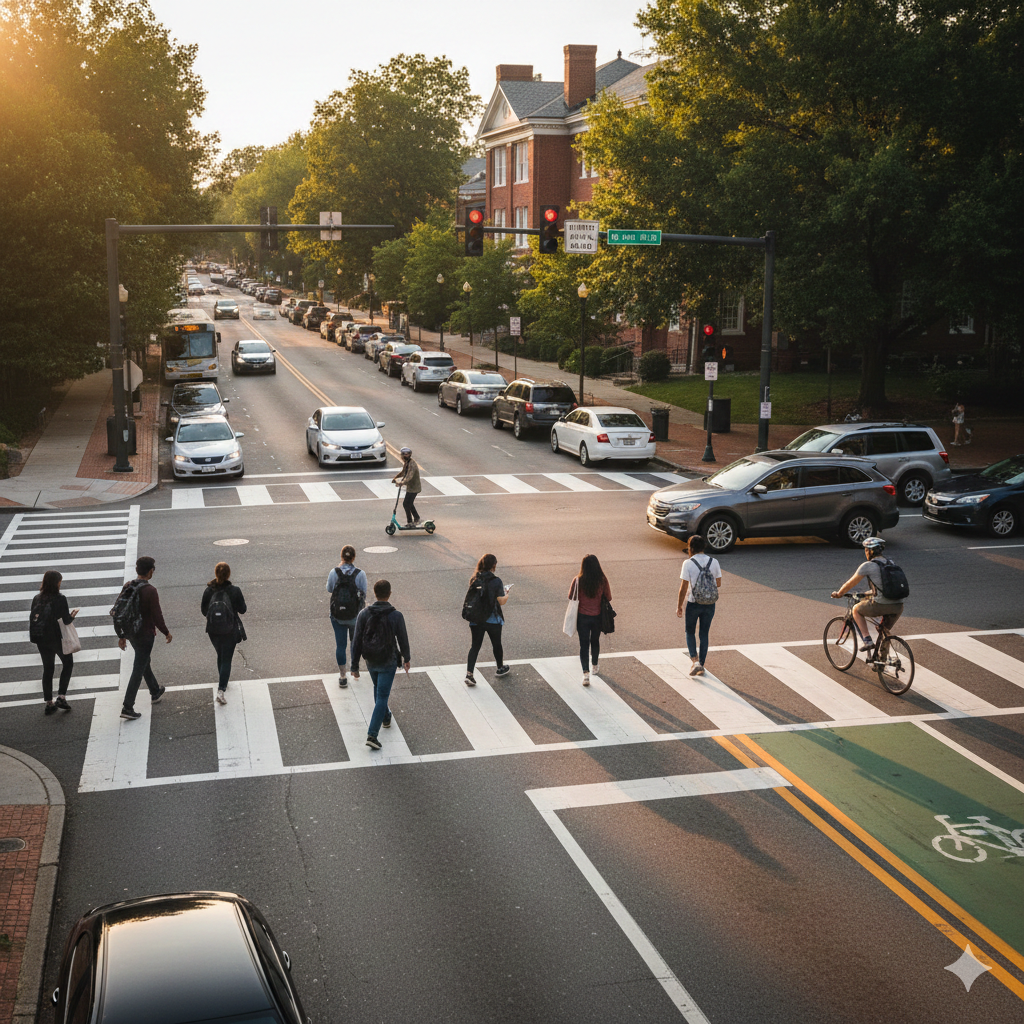
You've probably heard the phrase "if you can't see the driver's mirrors, they can't see you." With semi-trucks, this rule becomes a matter of life and death.
Unlike passenger vehicles with their relatively small blind spots, 18-wheelers have zones of invisibility that encompass entire lanes. These blind spots extend:
- Directly behind the trailer for up to 30 feet
- Along both sides, especially the right side where they can extend an entire lane
- Directly in front of the cab for up to 20 feet
When you linger in these zones, you're invisible to the truck driver. And when that driver needs to change lanes, merge, or make a turn, they're making decisions without knowing you're there. The result? Devastating sideswipe collisions, merging accidents, and turn crashes that could have been avoided.
How to Protect Yourself
- Pass quickly and decisively—don't linger alongside a truck
- Maintain at least a 4-second following distance behind trucks
- Give trucks extra space when they're turning or backing up
- Make sure you can see the driver's face in their side mirror before passing
When Cargo Becomes a Weapon
The dangers don't end with the initial collision. What a truck is carrying can turn a bad accident into a catastrophe.
Many semi-trucks transport hazardous materials—chemicals, flammable liquids, toxic substances. In an accident, these materials can leak, ignite, or explode, creating secondary disasters that put everyone nearby at risk. Even routine cargo becomes deadly when a crash occurs:
- Unsecured loads can spill across lanes, causing chain-reaction crashes
- Heavy cargo becomes projectiles that can crush other vehicles
- Liquid cargo can shift during impact, causing the truck to roll or jackknife
Trucking companies are legally required to properly secure and label hazardous cargo. When they cut corners, they can be held liable for the resulting damages—and those damages often extend far beyond the immediate crash victims.
What This Means for Your Safety—and Your Rights
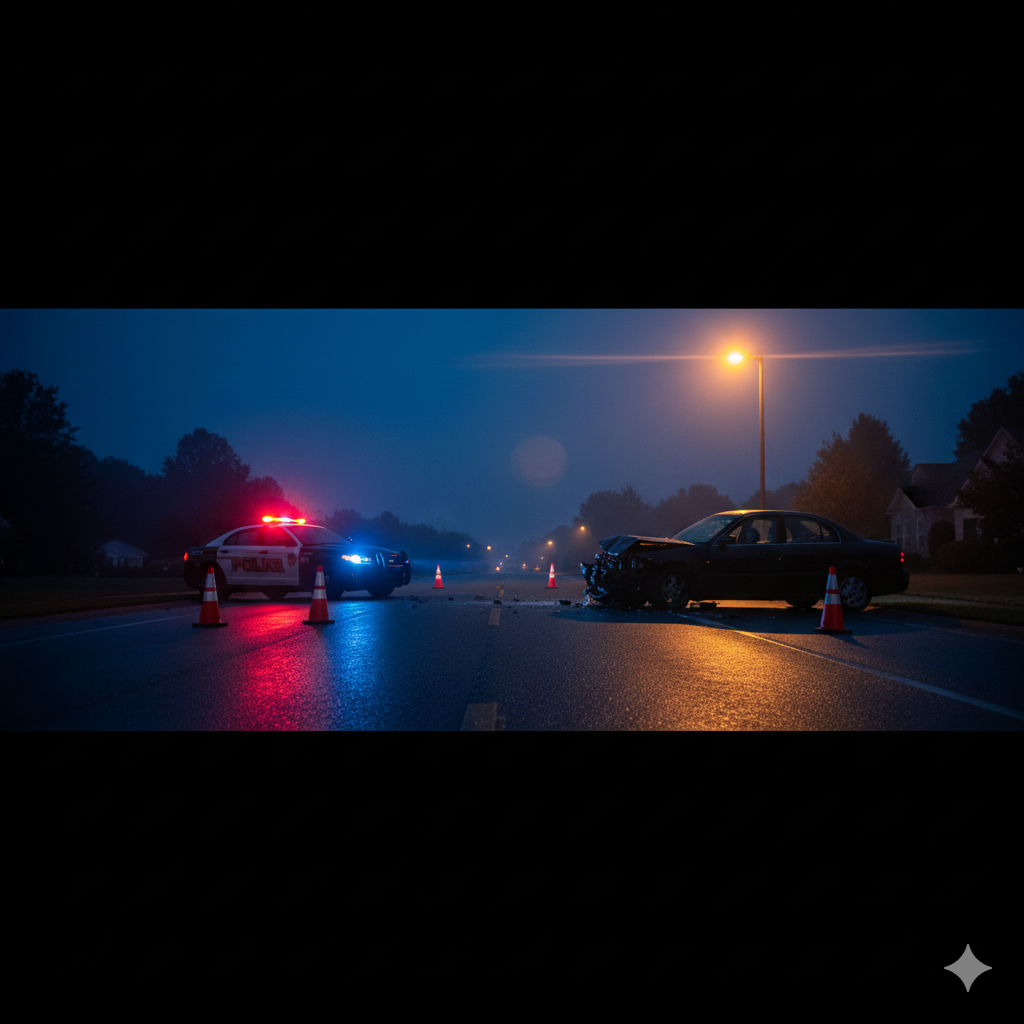
Understanding these dangers isn't just about being a more cautious driver—though that's critically important. It's also about knowing that when a truck accident occurs, the stakes are fundamentally different than a typical car crash.
The injuries are more severe. The medical costs are higher. The recovery is longer. And the legal complexity multiplies, involving not just the truck driver but potentially the trucking company, cargo loaders, maintenance contractors, and manufacturers.
If you've been injured in a truck accident due to a driver's negligence, you have the right to seek compensation for your injuries, lost wages, and suffering. But these cases require attorneys who understand the unique factors that make truck accidents so devastating—and who know how to prove negligence in the trucking industry.
Injured by a Negligent Truck Driver? We're Here to Help.
Schedule Your Free ConsultationNo obligation. No upfront costs. We only get paid when you do.