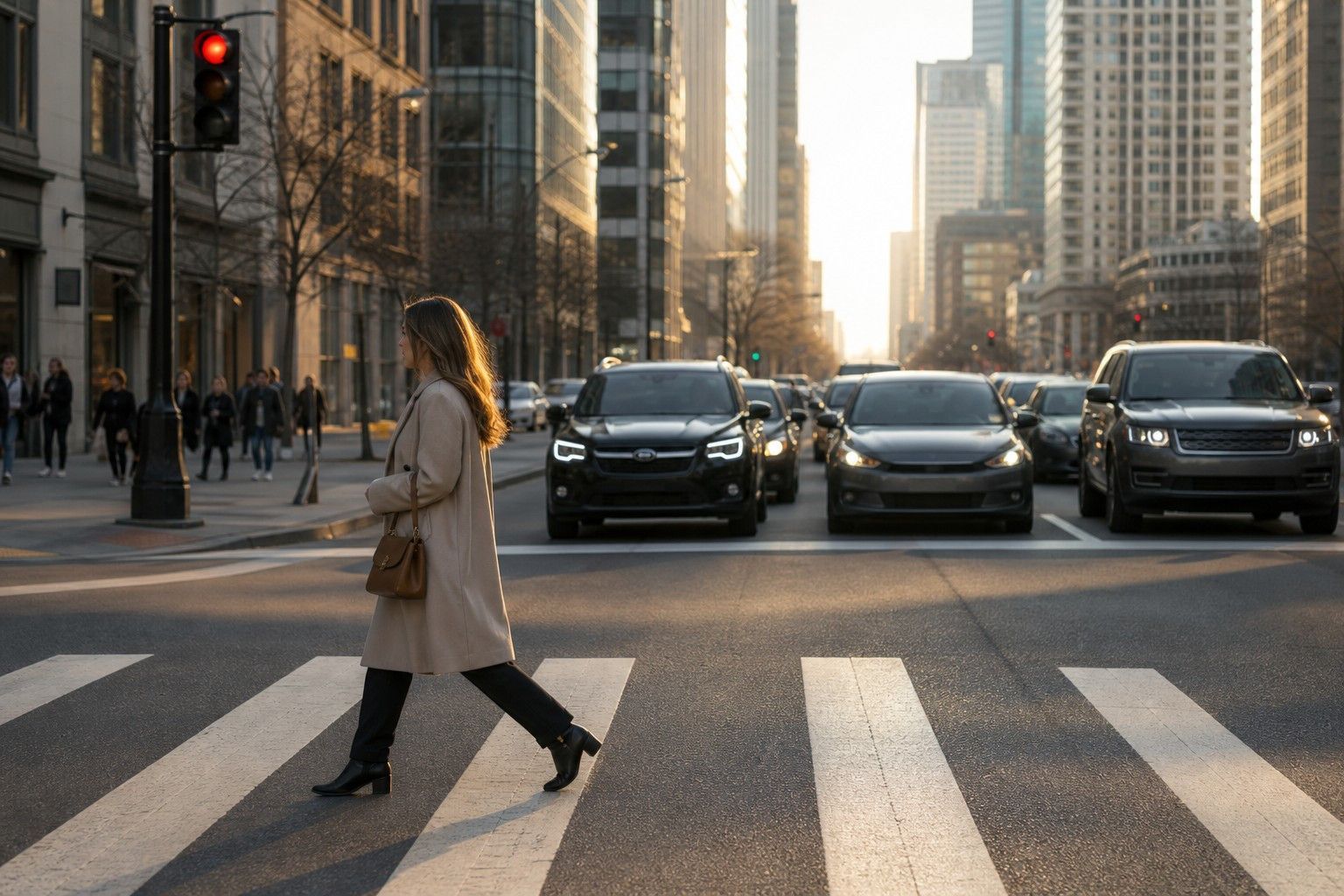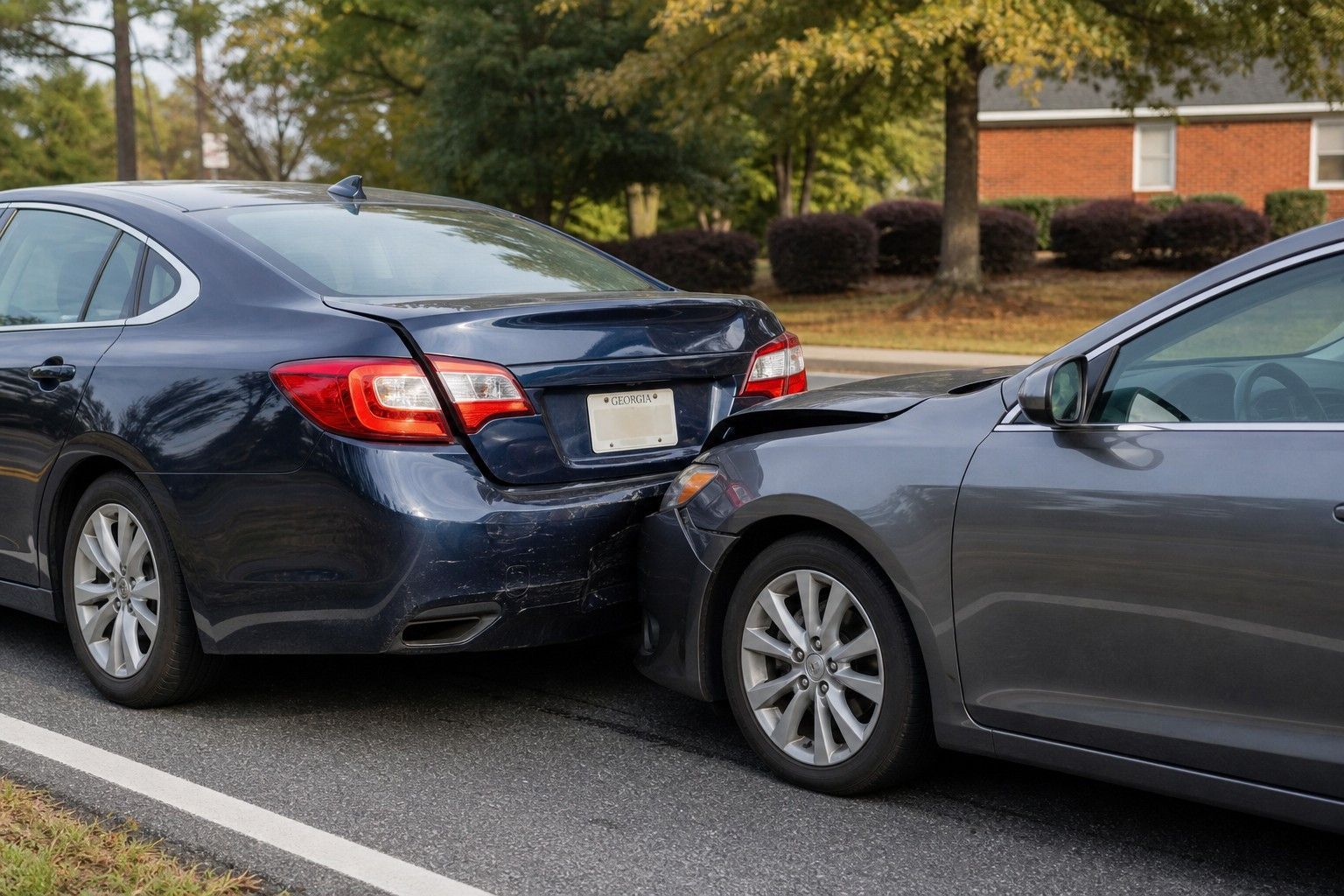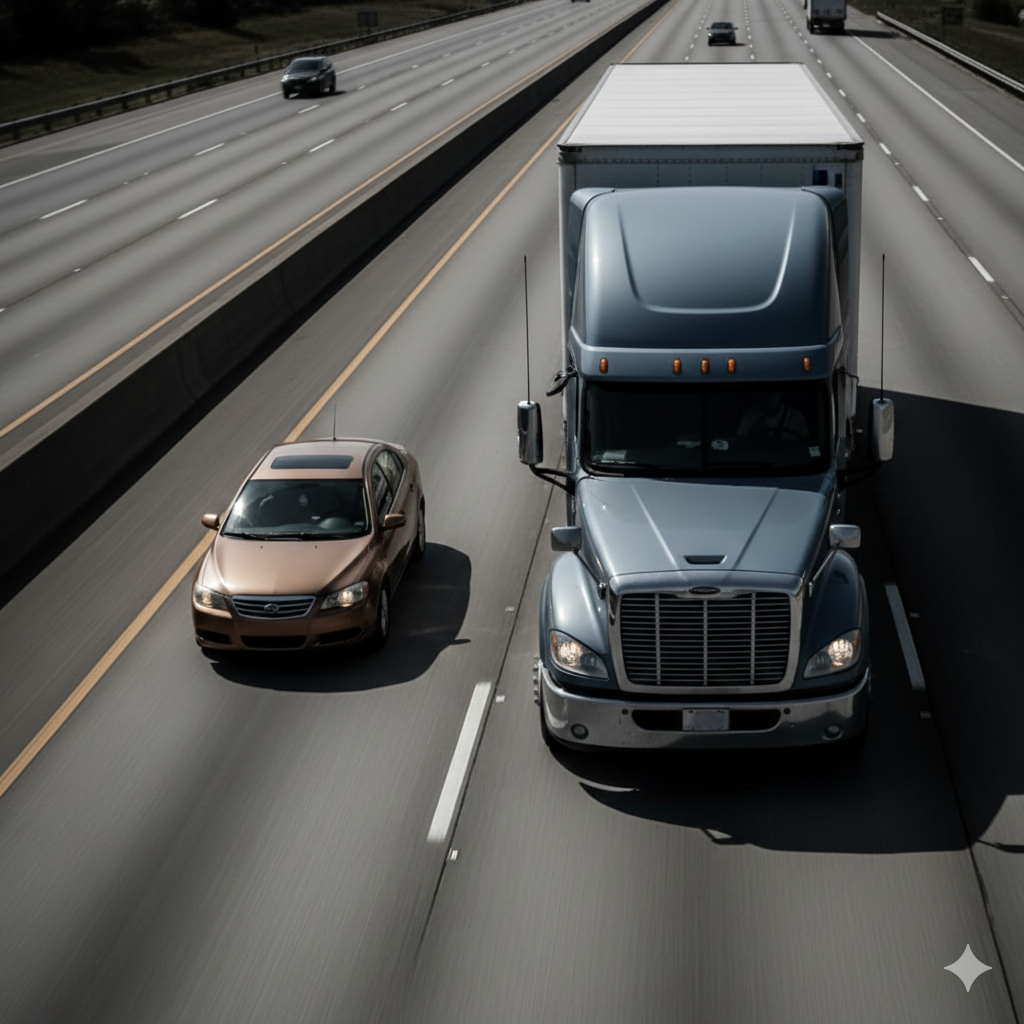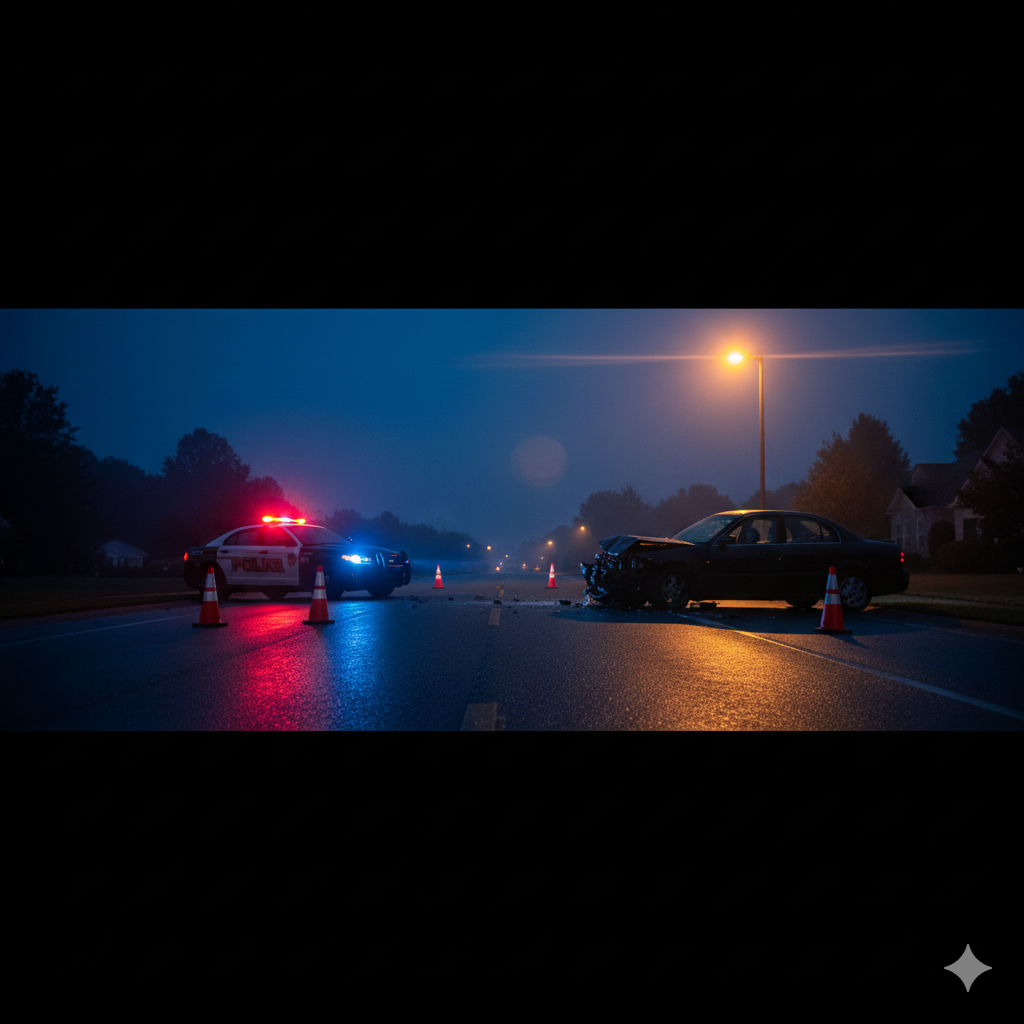
In Georgia, fault in a multi-vehicle accident is divided among every driver who contributed to the crash. Under O.C.G.A. § 51-12-33, a jury assigns each driver a percentage of fault, and you can recover damages as long as you are less than 50 percent responsible. Your recovery is reduced by your share of fault, which makes evidence critical in every multi-car accident claim.
Quick Summary
- Georgia divides fault by percentage. O.C.G.A. § 51-12-33 lets a jury split blame among all drivers involved in a multi vehicle collision.
- The 50 percent rule: you can recover money only if you are less than 50 percent at fault, and your award drops by your fault share.
- Multiple insurance companies usually means multiple adjusters pointing fingers at each other - and sometimes at you.
- You have 2 years to file a personal injury lawsuit in Georgia under O.C.G.A. § 9-3-33.
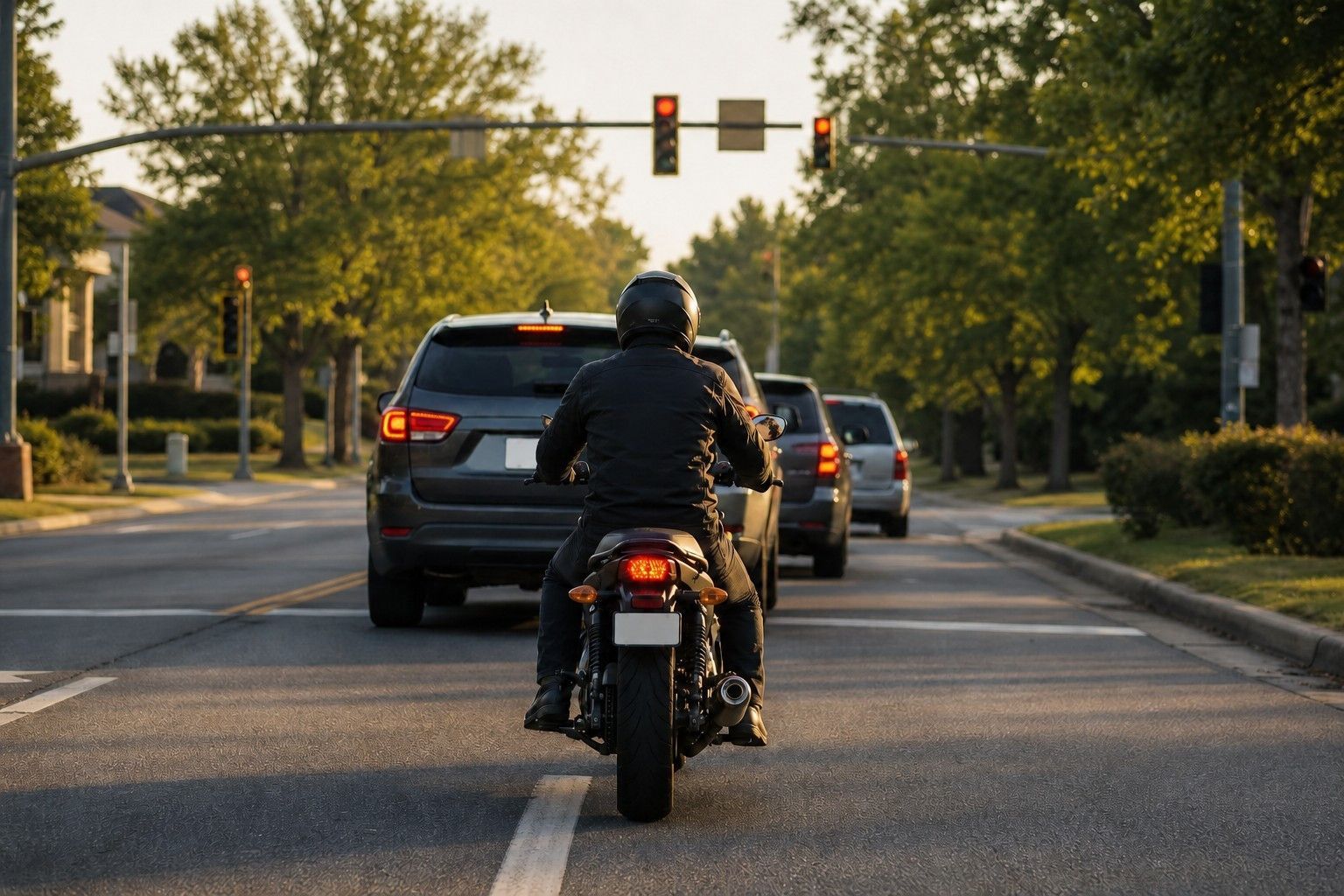
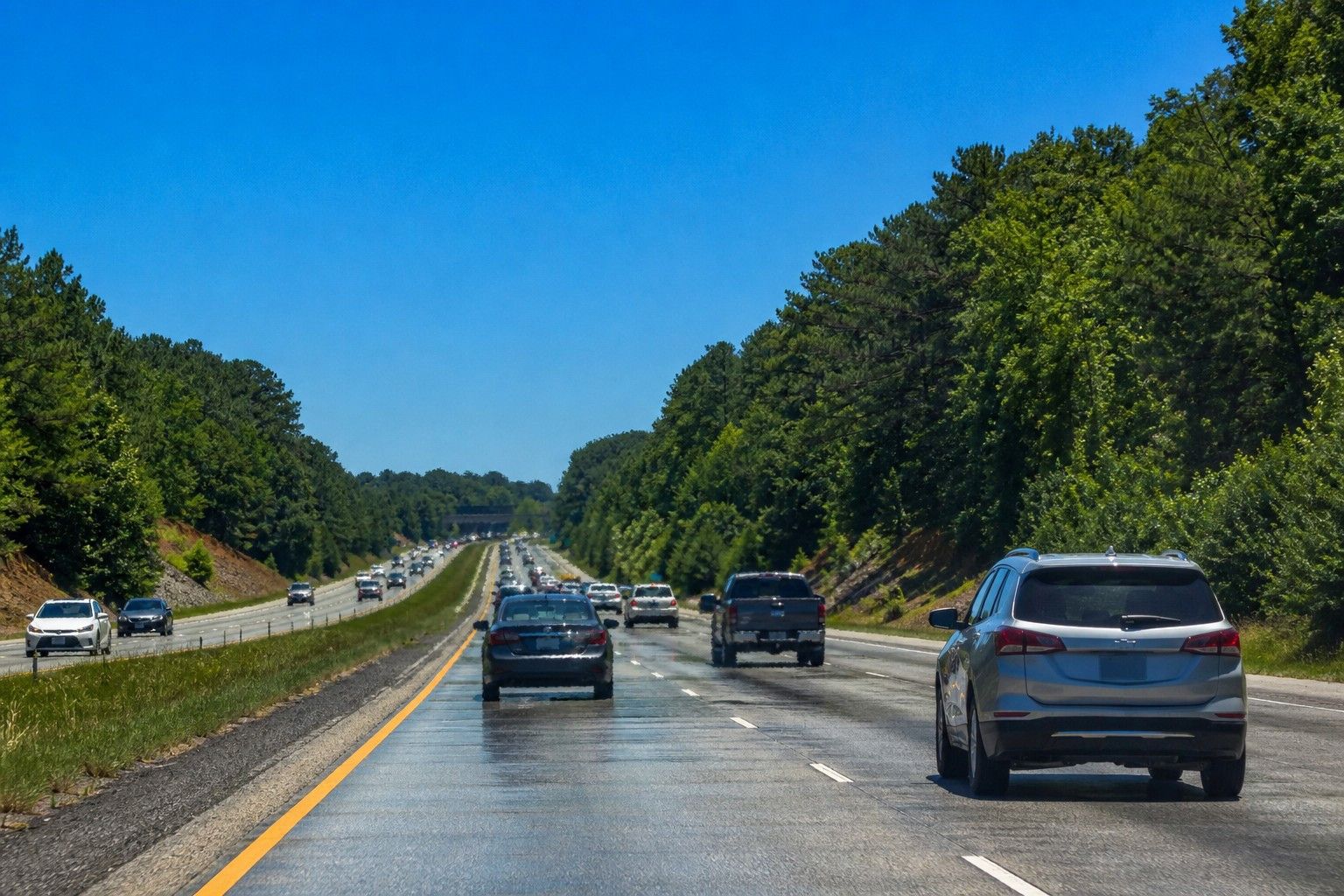
A two-car crash is hard enough. A multi-vehicle accident on GA Loop 10, Highway 316, or I-85 in Northeast Georgia adds layers most people never expect: several damaged cars, several stories about what happened, and several insurance companies all trying to pay as little as possible. Wells and McElwee, P.C. is a personal injury law firm in Athens, Georgia that helps people injured in motor vehicle accidents across Athens and Northeast Georgia sort out exactly who owes what after a pileup.
What Makes Multi Vehicle Accident Liability Georgia Cases So Complicated?
Multi vehicle accident liability in Georgia is complicated because fault is almost never all-or-nothing. Georgia uses a modified comparative negligence system under O.C.G.A. § 51-12-33. That statute tells the jury to assign a percentage of fault to every driver involved, and even to people who are not part of the lawsuit.
Here is what that means in plain terms. Say a jury decides your damages are $100,000 and finds you 20 percent at fault in a multi car accident. You collect $80,000. If the jury finds you 50 percent or more at fault, you collect nothing. That 50 percent bar is why insurance adjusters in a multi vehicle crash work so hard to push blame onto the injured party.
Who Is at Fault in a Chain Reaction Crash?
In most chain reaction crashes, the driver who caused the first impact carries the largest share of fault, but rarely all of it. Georgia law requires every driver to leave safe following distance. O.C.G.A. § 40-6-49 makes following too closely a traffic offense, so a rear driver who was tailgating in a multi vehicle collision usually picks up a slice of the blame even if someone else started the chain reaction.
Common fault patterns we see in a multi vehicle accident include:
- The rear starter: a distracted or speeding driver slams into stopped traffic and shoves cars into each other.
- The sudden stopper: a driver brakes hard for no valid reason and triggers the pileup behind them.
- The lane changer: an unsafe merge forces other vehicles to swerve or brake, setting off a multi car crash.
- The tailgaters: drivers involved who followed too closely and could not stop in time.
Fog, rain, and heavy commuter traffic on corridors like GA-316 between Athens and Atlanta make these pileups more likely, and they make sorting out fault harder. If a tractor-trailer is involved, the case can also become a truck accident claim with its own federal rules and bigger insurance policies.
Key fact: Georgia's minimum auto liability coverage is only $25,000 per person and $50,000 per accident for bodily injury (O.C.G.A. § 33-7-11). In a multi vehicle accident with several injured people, that small policy can run out fast - which is why identifying every liable driver and every layer of auto insurance coverage matters so much.
How Does Insurance Cover a Multi Car Accident?
In a car accident involving three or more vehicles, each at-fault driver's liability insurance pays a share of your damages that matches their percentage of fault. Because Georgia is an at fault state, you claim against the drivers who caused the crash, not your own policy first.
The problem: multiple insurance companies means multiple adjusters, and each one has a reason to say their driver was not the cause. While the insurance companies argue, your medical bills keep arriving. Several coverages can come into play:
- Liability coverage from each at-fault driver, split by their fault percentage.
- Uninsured and underinsured motorist coverage from your own policy under O.C.G.A. § 33-7-11, which steps in when the at-fault drivers' policies are too small for a serious multi vehicle crash.
- Medical payments coverage , an optional add-on that helps with medical expenses no matter who was at fault.
- Collision coverage for your vehicle damage while the fault fight plays out.
| Getting blamed for a pileup you did not cause? Contact Wells and McElwee, P.C. for a free consultation before you talk to any adjuster. |
Is Joint and Several Liability Still Legal in Georgia?
No. Georgia largely eliminated joint and several liability. Under O.C.G.A. § 51-12-33, each defendant in a multi vehicle accident pays only for their own percentage of fault. You cannot collect one driver's share from another driver just because the first one has no money or no liability insurance.
That rule changes strategy in every multi vehicle collision case. If one at-fault driver is uninsured, that share of your damages has to come from somewhere else - usually your own underinsured motorist coverage. An experienced personal injury attorney maps out every driver, every policy, and every coverage layer early, because a missed defendant in a multi car crash is money you never get back.
What Evidence Proves Fault in a Multi Vehicle Collision?
Evidence decides fault percentages, and in a chain reaction crash the evidence disappears fast. The strongest multi vehicle accident cases are built on:
- Police reports documenting vehicle positions, damage points, and citations issued at the scene.
- Witness statements from drivers and bystanders who saw the sequence of impacts - in a pileup, independent witness statements often break the tie between conflicting driver stories.
- Photos and video , including dash cameras and traffic camera footage along the crash corridor.
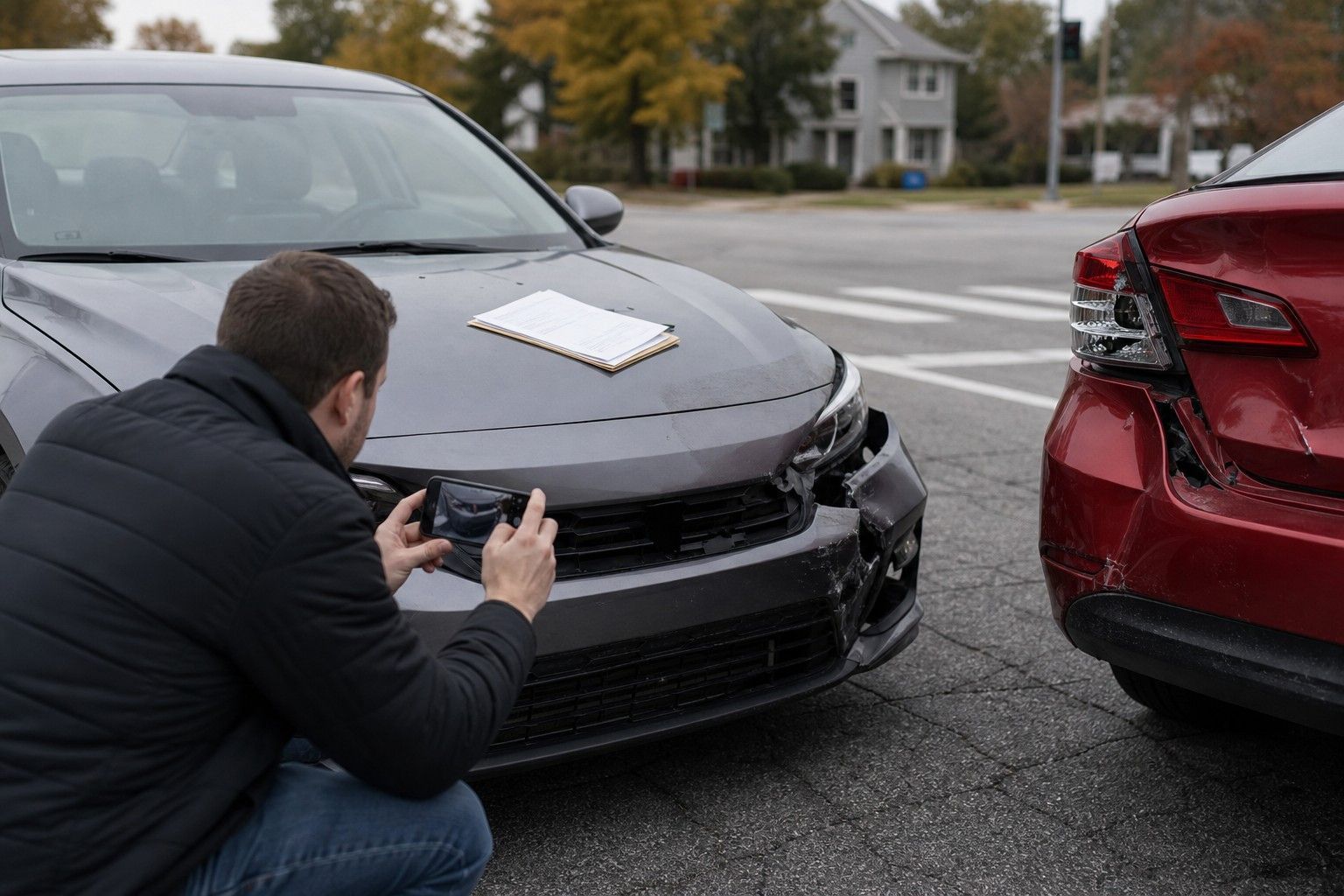
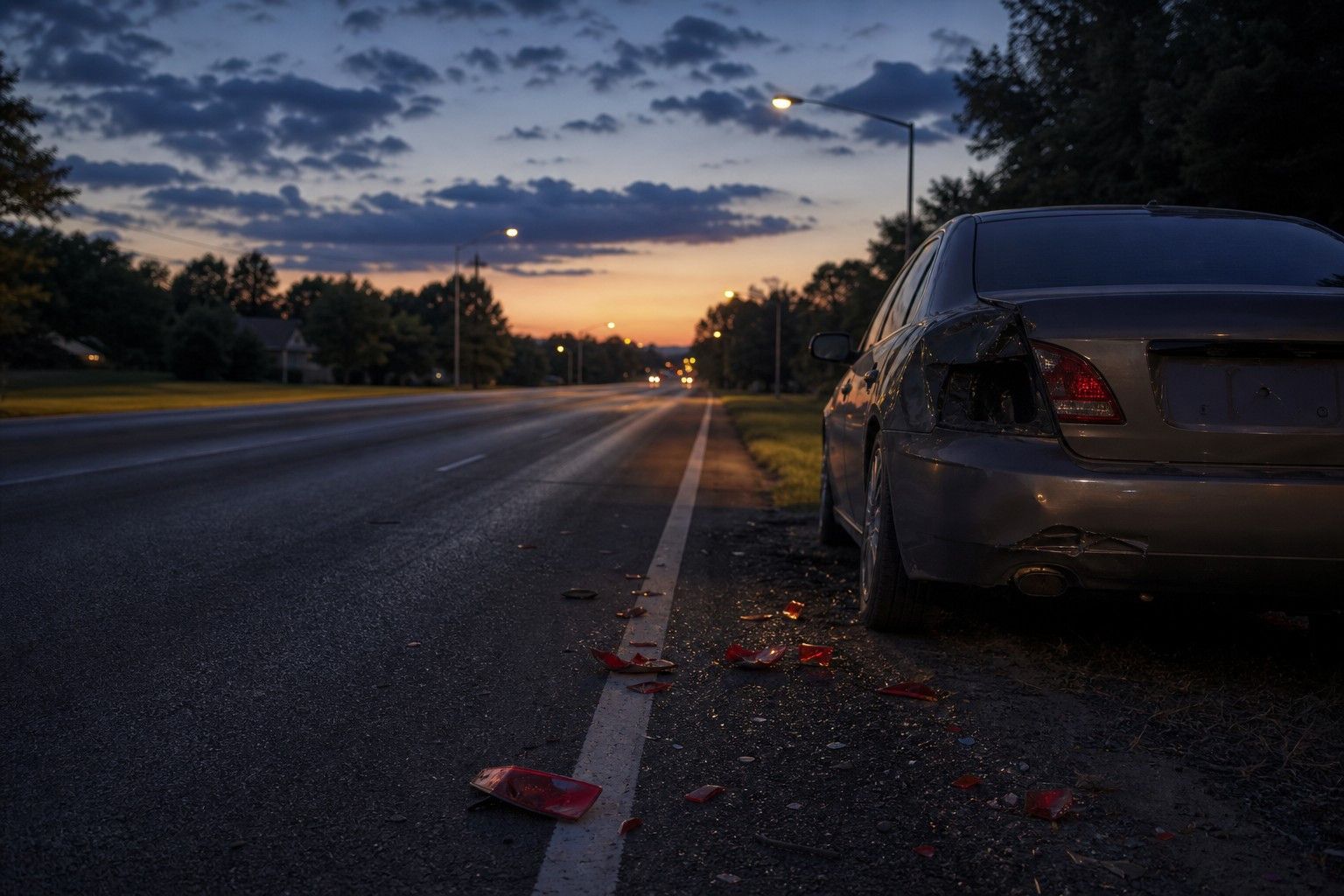
- Vehicle damage patterns that show the order of impacts across multiple vehicles.
- Event data recorders , the "black boxes" in modern cars that log speed and braking before a car accident.
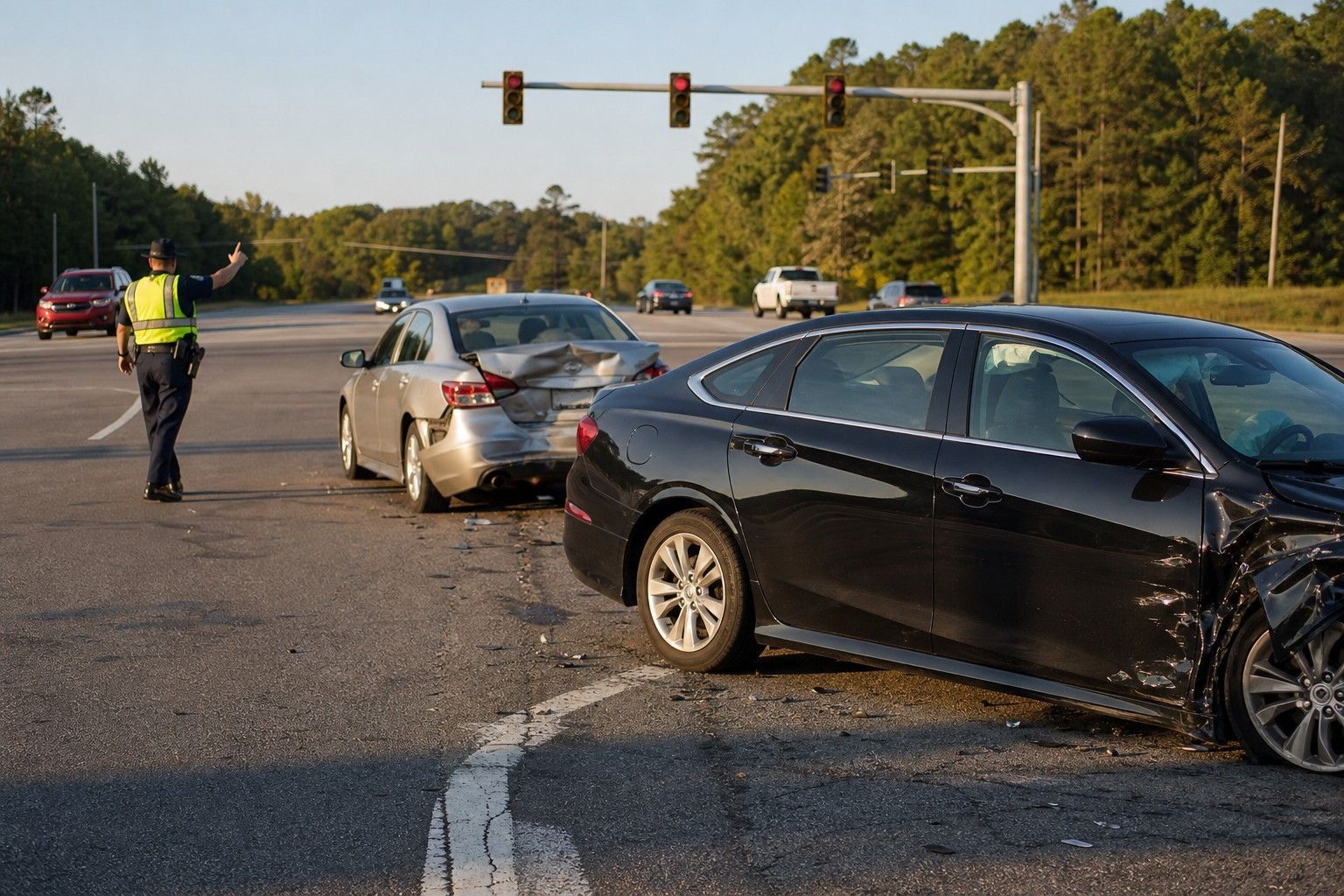
Damage to multiple cars tells a story. Which bumper hit which vehicle, and in what order, often matters more than what any single driver remembers about the multi vehicle crash.
Steps to Take After a Multi Vehicle Accident in Georgia
What you do in the first days after a multi car accident shapes your claim. Take these steps:
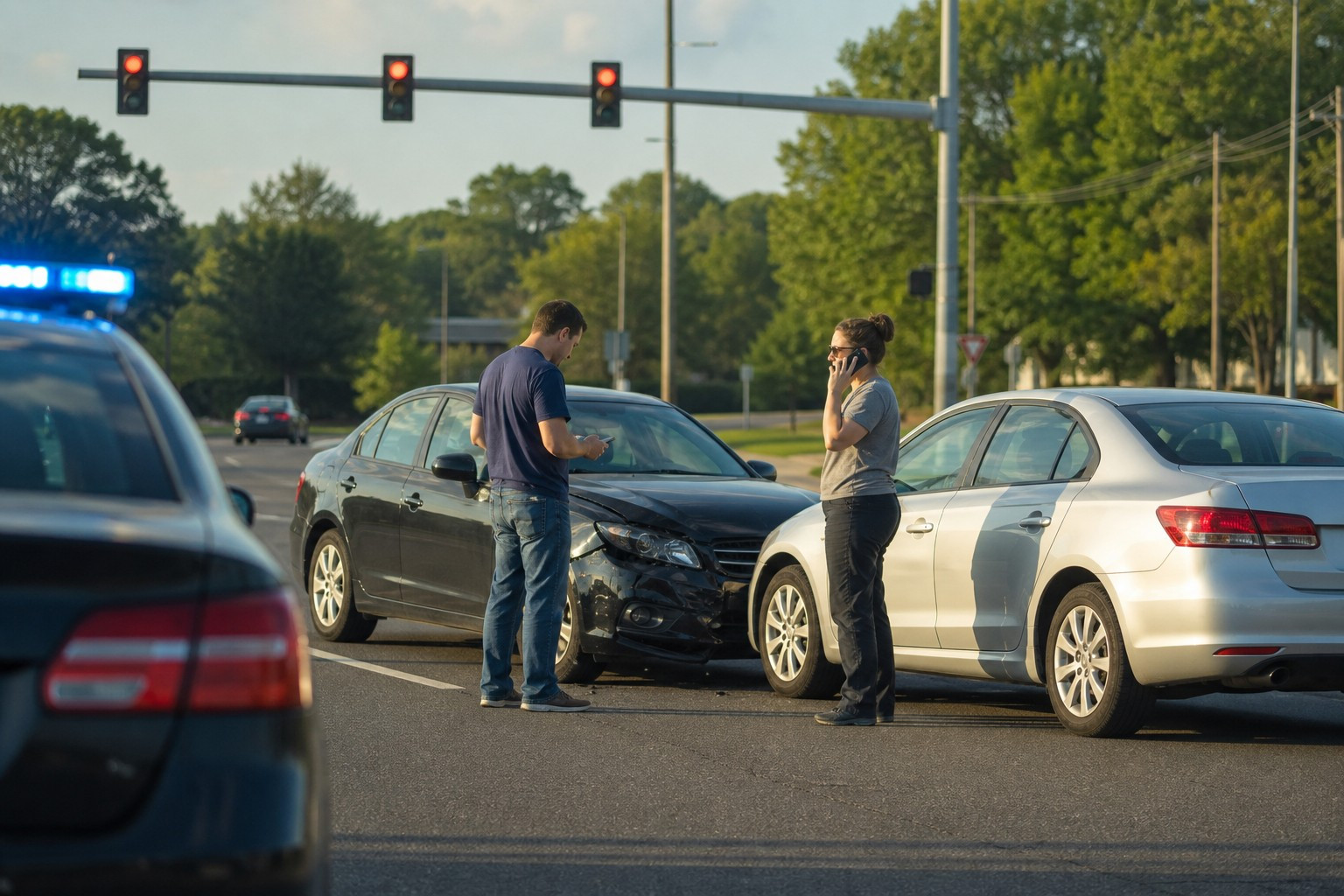
- Call 911 and get the police report. Never let multiple parties "work it out" without a report.
- Photograph everything - all vehicles, all damage, skid marks, and the road layout.
- Get names and contact info for every driver and witness, not just the car that hit you.
- See a doctor right away. Medical professionals create the records that connect your injuries to the car accident, and gaps in treatment shrink settlements.
- Do not give recorded statements to other drivers' insurance adjusters before you get legal advice.
- Watch the deadline. O.C.G.A. § 9-3-33 gives you 2 years from the crash to file a personal injury lawsuit in Georgia.
If you suffered injuries in a car accident like this, talk to a lawyer early. Fault percentages get negotiated, and the injured party who shows up with evidence and counsel keeps more of their recovery.
Wells and McElwee, P.C. has represented injured people in Athens and Northeast Georgia for decades. Our attorneys handle the insurance companies, the evidence, and the fault fight so you can focus on healing.
| Injured in a multi-vehicle pileup on GA-316, Loop 10, or anywhere in Northeast Georgia? Contact Wells and McElwee, P.C. today for a free consultation. You pay nothing unless we recover for you. |